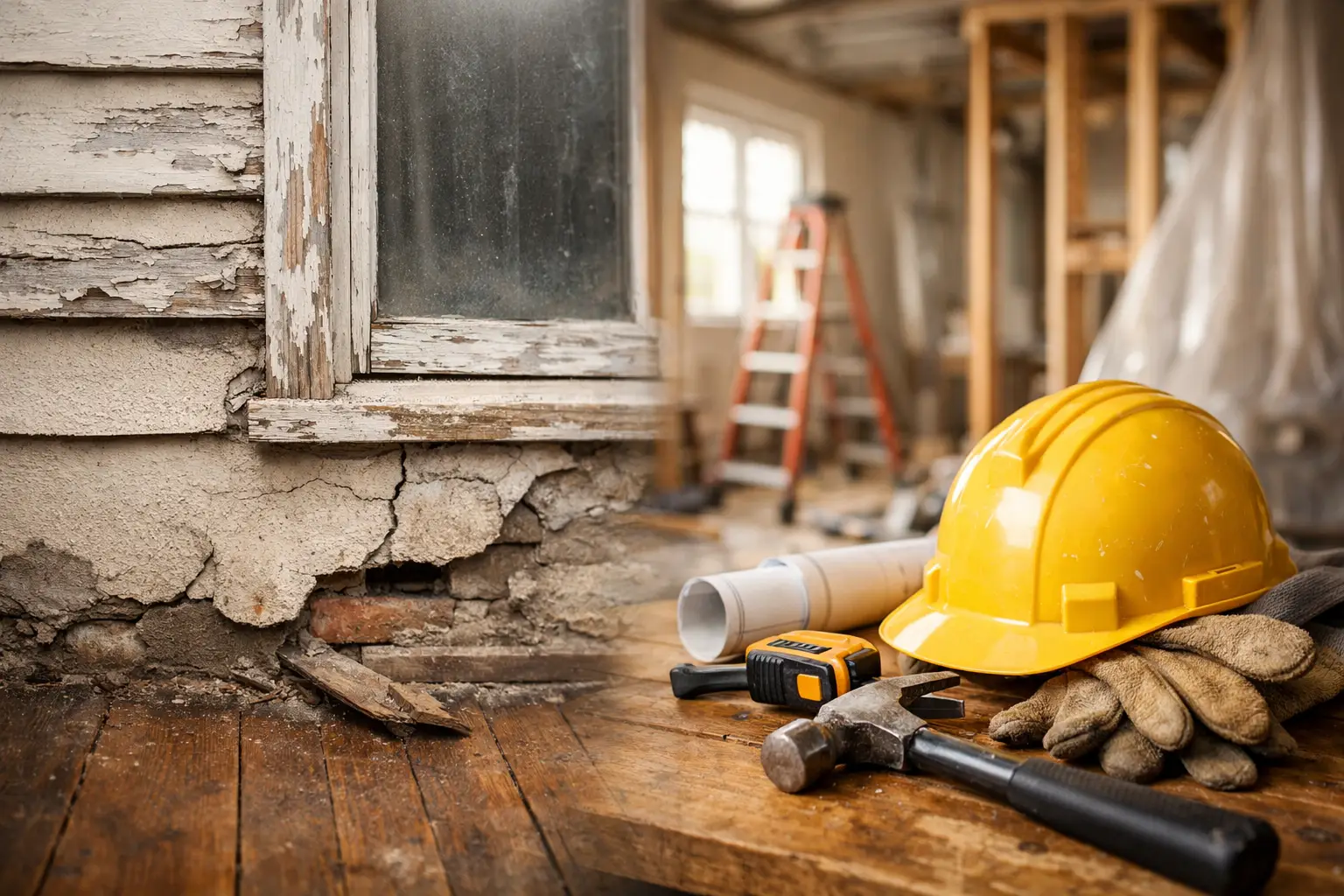
A kitchen drawer that will not close, a bathroom ceiling with a growing stain, or a living room that never quite works for family life can become easy to live around. But those everyday frustrations often point to bigger opportunities. Recognizing the signs your home needs renovation early can help you plan improvements before small issues become costly repairs or your home becomes less comfortable to live in.
A renovation does not always mean changing everything at once. Sometimes the right move is a focused bathroom upgrade, better kitchen storage, or custom joinery that gives an awkward room a purpose. The key is understanding what is cosmetic, what is functional, and what needs professional attention.
10 Signs Your Home Needs Renovation Soon
1. Water damage keeps returning
Water stains on ceilings, bubbling paint, warped flooring, mold, or a persistent musty smell should never be treated as a cosmetic problem alone. These can signal a leaking pipe, failed waterproofing, poor drainage, or moisture entering around windows and doors.
The renovation decision depends on the source. A minor plumbing repair may be enough, but recurring moisture in a bathroom, laundry, or kitchen can mean the room’s waterproofing, ventilation, or layout needs a more complete upgrade. Addressing the cause before installing new finishes protects your investment and helps prevent damage to framing, cabinetry, and adjacent rooms.
2. Your kitchen makes daily life harder
A kitchen should support the way your household cooks, eats, stores groceries, and gathers. If you are constantly short on counter space, cannot reach everyday items, or have cabinets that waste most of their storage capacity, the layout may no longer suit your needs.
Older kitchens can also hide practical issues such as poor lighting, worn hardware, insufficient outlets, and surfaces that are difficult to clean. A well-planned kitchen renovation can improve flow without necessarily moving every wall. In some homes, smarter cabinetry and tailored joinery make the biggest difference. In others, a new layout is worthwhile because the existing one creates daily bottlenecks.
3. The bathroom feels worn, cramped, or difficult to clean
Bathrooms show their age quickly. Cracked tiles, stained grout, loose fixtures, peeling paint, damaged vanities, and poor ventilation all make the room feel tired. More importantly, they can allow moisture into places it does not belong.
Function matters just as much as appearance. A bathroom that lacks storage, has an awkward shower entry, or leaves no comfortable space for more than one person can be frustrating every day. Renovating gives you the chance to improve waterproofing, lighting, ventilation, storage, and fixture placement in one organized project rather than making repeated temporary fixes.
4. Repairs are becoming a regular expense
Every home needs maintenance. The warning sign is when you are paying to repair the same types of problems repeatedly: leaking taps, sticking doors, cracked surfaces, failing cabinetry, damaged flooring, or electrical issues caused by an outdated room design.
At that point, compare the ongoing cost of patchwork repairs with the value of a lasting renovation. Repairs are still sensible when the underlying structure and layout are sound. However, when several components are nearing the end of their useful life, renovating the space as a whole is often more efficient and delivers a cleaner, more consistent result.
5. Your home no longer fits your household
Homes should change with the people who live in them. A growing family may need better storage, a more functional kitchen, or a laundry that can handle a busier routine. Empty nesters may want easier access, lower-maintenance finishes, or a bathroom designed for long-term comfort.
You may not need an addition to make a home work better. Interior renovations can reclaim underused areas, improve room connections, add practical storage, and create flexible spaces for work, study, or guests. The best solution starts with how you actually use the home, not with a one-size-fits-all design trend.
6. Storage is always a problem
If hallways collect shoes, bedrooms overflow with furniture, or kitchen counters are used as permanent storage, your home may have a planning problem rather than a space problem. Limited storage creates visual clutter and makes even a well-sized home feel smaller.
Custom carpentry and joinery can solve this in a way that off-the-shelf furniture often cannot. Built-in cabinets, tailored pantry storage, laundry solutions, window-seat storage, and well-designed wardrobes can use difficult corners and wall space efficiently. The goal is not simply to add more cabinets. It is to give frequently used items a logical place, so the home is easier to maintain.
7. Rooms feel dark or disconnected
Poor lighting can make a freshly painted room still feel dated. A lack of task lighting in the kitchen, weak bathroom lighting, dark hallways, or a living area with only one harsh ceiling fixture all affect comfort and usability.
Disconnected rooms can have a similar effect. If the kitchen isolates the cook, a doorway interrupts traffic flow, or the main living spaces do not suit how your family spends time together, an interior renovation can improve the connection between spaces. Structural changes are not always required. Better lighting, revised openings, flooring continuity, and thoughtful cabinetry can create a more open and welcoming result.
8. Finishes are outdated and showing wear
Outdated finishes alone do not automatically mean you need renovation. A home with older colors or fixtures can still be functional and well maintained. The case for renovation becomes stronger when worn finishes are paired with damage, poor performance, or a layout that no longer serves you.
For example, dated cabinetry with broken hinges, old flooring that is difficult to maintain, or a vanity that offers little storage are practical reasons to upgrade. Choose materials for durability as well as appearance. The right finish should suit your household, cleaning routine, and budget, not just look good in a showroom.
9. You avoid using certain areas of the home
Pay attention to the rooms you avoid. Perhaps no one uses the formal dining room, the laundry feels too cramped to organize, or the bathroom is uncomfortable enough that guests would rather not use it. These spaces may be telling you exactly where an improvement will have the greatest impact.
A renovation can turn an underperforming room into a useful part of everyday life. That might mean creating a more workable laundry, adding storage to a neglected hallway, or updating an old bathroom so it feels clean, comfortable, and easy to use. Projects with clear daily benefits usually provide more satisfaction than changes made only for appearance.
10. You are preparing for the next stage of ownership
Whether you plan to stay for many years or may sell in the future, a well-executed renovation can improve how your property feels and functions. Kitchens, bathrooms, storage, and overall interior condition strongly shape a buyer’s first impression, but they also shape your own experience while you are still living there.
Avoid renovating solely for a vague idea of resale value. Overcapitalizing is possible, and the best scope depends on the property, neighborhood, and condition of comparable homes. A sensible approach is to focus first on visible wear, functional shortcomings, and improvements that make the home easier to enjoy now.
How to Turn Renovation Concerns Into a Clear Plan
Once you notice several of these signs, start by separating urgent issues from desired improvements. Water damage, electrical concerns, failing fixtures, and damaged surfaces should be assessed first. Then consider which changes would most improve daily life, such as kitchen storage, a more practical bathroom, or better use of an underused room.
Bring together photos, measurements, and a simple list of frustrations before requesting quotes. Be clear about your priorities, budget range, and whether you want to renovate one room or coordinate several connected spaces. A professional renovation partner should explain the scope clearly, identify likely constraints, and provide transparent guidance on materials, timing, and costs.
For homeowners in Melbourne’s northern suburbs, DY Construction Group can help turn those recurring frustrations into a practical renovation plan built around your home and lifestyle. A thoughtful renovation is not about chasing every trend. It is about creating rooms that work reliably, look considered, and make coming home feel easier every day.