
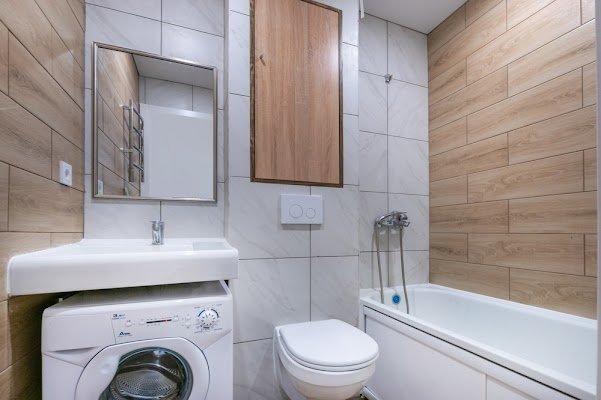
Stepping into a sparkling new bathroom feels like treating yourself to a spa day at home. But for many of us in North Melbourne where cozy heritage terraces rub shoulders with modern flats that makeover comes with a big question: how much will it cost? Planning a bathroom renovation can feel overwhelming, but with a bit of savvy (and a good builder like DY Construction on your side), it’s manageable. We’ll walk through everything you need to know about bathroom renovation costs from surprising hidden fees to simple ways to keep your budget on track. By the end, you’ll understand why prices can vary so much, how to plan for your own project, and why even a small update can boost your home’s value. Let’s dive in and make sense of the numbers, without the jargon.
What Goes into Your Bathroom Renovation Budget?
Renovating a bathroom isn’t just swapping out taps and tiles; it’s a complex project with many moving parts. On average in Australia, homeowners invest in a mid-range Bathroom Renovation Cost project, although the final amount varies depending on the scope, materials, and labour involved. That aligns with what we see locally, the Bathroom Renovation Cost North Melbourne homeowners experience depends on the property’s condition, bathroom size, and design selections. (By contrast, a small powder room can be surprisingly expensive per square meter, more on that below.)
But the total bill isn’t just about your fancy marble tiles or designer vanity. In a typical reno, roughly 40% of the budget goes on visible finishes like taps, vanities, and tiling. The other 60% covers the invisible stuff: licensed labour for plumbing, waterproofing, and electrical work, plus any structural prep. For example, waterproofing your bathroom is not optional Australian standards (AS 3740) require a licensed waterproofer to seal all wet areas properly. That alone forms an important part of the overall Cost of bathroom renovation, varying according to bathroom size and project complexity.
Likewise, good tradespeople aren’t cheap. In a capital city like Melbourne, licensed plumbing and tiling services make up a significant portion of the overall Bathroom remodel cost, with rates depending on experience and project requirements for quality tiling. All up, labour often eats 35–45% of a bathroom budget. That makes sense: plumbing, waterproofing, carpentry and electrical work in a wet area are time-consuming, high-skill jobs. In fact, tiles as beautiful as they are can be one of the longest trades. Homeowners often don’t realise it, but tiling, waterproofing and plumbing can take weeks of steady work, even before the “pretty” bits go in.
Aside from labour and materials, you should also pad your budget for surprises. Opening up a 100-year-old Melbourne bathroom can reveal rotten joists, corroded copper pipes or even hidden asbestos. Experienced renovators recommend setting aside a contingency fund to cover unexpected issues that may affect the final Bathroom Renovation Cost for these unknowns. In Victorian homes, especially those built before the 1990s, an accredited asbestos test is wise before knocking down walls. Asbestos is found, professional removal may be required and can significantly increase the overall renovation budget. Better to know upfront than have your project grind to a halt partway through.
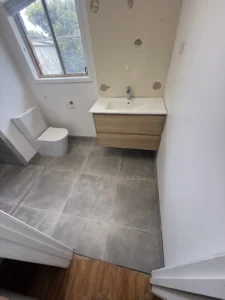
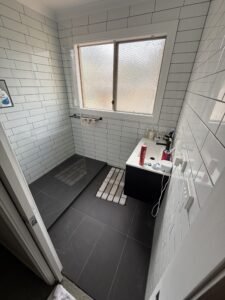
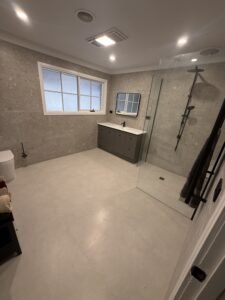
Keeping track of these details is crucial. For instance, a sleek new vanity or heated towel rail might only be a small fraction of your spend, whereas the “behind-the-scenes” work (like plumbing or waterproofing) consumes a larger slice. We find that our North Melbourne clients are often shocked to learn the preliminary work joists, pipes and strict waterproofing actually drives cost. Once you realise a modern bathroom is like an iceberg (60% hidden below the surface), it’s easier to see where your money goes.
Typical Costs by Bathroom Type
There’s a big difference between renovating a 2 m² powder room and overhauling a 12 m² master ensuite. In general, bigger bathrooms can dilute fixed costs (waterproofing and plumbing) over more area, so the per-square-metre price can actually drop for larger renos. By comparison, tiny powder rooms have to absorb all the compliance and labour in a smaller space, so they end up pricier per m².
| Bathroom Type | Typical Size (m²) | Typical Bathroom Renovation Cost |
| Powder room (toilet + basin) | 2–3 | Powder rooms generally represent the lowest Small bathroom renovation cost, although the final investment depends on finishes and structural work. |
| Standard bathroom | 4–6 | A standard bathroom typically has an Average bathroom renovation cost that reflects the chosen materials, layout, and labour requirements. |
| Family bathroom | 6–9 | A family bathroom usually requires a broader scope of work, and the cost of bathroom renovation varies depending on features, materials, and project complexity. |
| Ensuite (small) | 3–5 | A compact ensuite generally has a lower overall investment, but the Small bathroom renovation cost can still be influenced by waterproofing, plumbing, and fixture selections. |
| Master ensuite (large) | 9–14 | A premium master ensuite often falls into the Luxury bathroom renovation cost category due to bespoke finishes and high-end fixtures. |
In North Melbourne, many homes are Victorian terraces with compact baths or ensuites, so it’s common to see a family bathroom renovation quotes in North Melbourne vary depending on the design, materials, and complexity of the work. Tight inner-city apartments often mean powder rooms or ensuites; a compact ensuite generally has a lower total investment, but the Small bathroom renovation cost can still be significant because many labour and compliance requirements remain the same. Remember, even if your space is tiny, the minimum spending can’t shrink below the cost of waterproofing, plumbing and waste disposal.
On the other hand, a full luxury ensuite with a freestanding bath, frameless shower, heated flooring, and premium finishes can significantly increase the Luxury bathroom renovation cost. Custom features and high-end materials often require additional craftsmanship and specialised installation, so it’s important to balance design preferences with your budget and long-term property value.
Major Cost Drivers to Expect
Even within North Melbourne, prices can swing widely. To plan wisely, consider what drives those numbers up or down:
- Layout changes: Moving plumbing or drains can noticeably increase the overall Cost of bathroom renovation. If you shift a toilet or relocate a shower, plumbers may need to jackhammer concrete or run new pipes.Relocating plumbing typically requires additional labour and specialised work, increasing the final renovation budget, depending on your floor structure. In older terraces, slab floors make moving services especially fiddly.
- Floor construction: If you have a timber (joisted) floor, expect extra prep. Crew might need to sister new joists or level the base before waterproofing. Concrete slabs are easier for waterproofing but make rerouting drains harder. Either way, your renovator will adjust the budget accordingly.
- Age and condition: Old homes often hide surprises. Pre-1990s houses in North Melbourne might still have gal pipes or non-compliant wiring. Once walls come down, you may have to re-pipe with copper/PEX or replace rotted timber. Worse yet, many homes built pre-1987 contain asbestos in wall or floor tiles. If we find asbestos, licensed removal kicks in (SafeWork guidelines must be followed). These fix-ups add cost and time.
Tile and fixture choices: Simple large-format tiles are generally easier and quicker to install, while intricate mosaics or subway patterns often require more detailed workmanship. Premium fixtures and bespoke finishes can also increase the overall Bathroom remodel cost and Cost of bathroom renovation due to additional materials and installation requirements.
Some features that may increase your Bathroom Renovation Cost include:
- Designer tapware and premium fixtures
- Stone benchtops or custom vanity tops
- Frameless glass shower screens
- Custom cabinetry and joinery
- Freestanding bathtubs
- Feature lighting and luxury accessories
Choosing finishes that match your budget and renovation goals can help you achieve a stylish bathroom while keeping your Bathroom Renovation Cost North Melbourne project under control.
- Access and logistics: Inner-city jobs can be trickier. If your North Melbourne terrace has a narrow alleyway or tight staircase, trades must carry everything in by hand. Skip bins might cost more if the job is on a high rise or laneway. In apartments, extra costs can include securing out-of-hours work permissions or booking lift usage. All that labour adds up in minutes.
- Compliance upgrades: All licensed work must meet current standards. For example, modern plumbing requires a tempering valve on the hot tap, and new showerheads must meet water efficiency ratings. Your plumber will issue compliance certificates and maybe trigger an inspection by the council. It’s part of the deal it protects you but it’s why you simply can’t DIY the plumbing or waterproofing if you want a code-compliant reno. In short, bathroom renos are expensive partly because someone has to do them the right way.
Each of these factors can push your cost higher. Taking just one example: suppose you love a particular European tap. If it turns out the plumbing rough-in doesn’t match standard sizes, installation might involve cutting concrete to adjust the waste lines. A simple fixture change may increase installation complexity and raise the final Bathroom remodel cost. That’s why DY Construction always reviews fixture specs before final orders. Owner-supplied items can save money (some homeowners source cheaper taps online), but make sure your trades have vetted them, or you might nullify your savings with extra installation time.
Planning, Permits and Timing
When budgeting, don’t forget time and paperwork. In most cases, a straight swap of the old bathroom (same footprint, no new walls or windows) doesn’t need a full council permit. A quick fixture-only refresh is usually fine but structural changes (opening a new doorway, relocating windows or adding plumbing) likely do require a permit. In Victoria, any structural alteration means you’ll engage a registered builder and get a building permit. It’s not meant to be a hurdle, it’s for your safety.
Even without a formal permit, plumbing work is notifiable. By law, any new or moved water or drain fittings must be done by a licensed plumber who then submits a “Notice of Work” and issues a Certificate of Compliance. This small admin step is essentially free (the plumber handles it), but it’s mandatory. Basically, the council won’t come knocking for a small bath swap, but they will want the paperwork that proves a pro did it right.
Before starting any renovation project, homeowners should familiarise themselves with current Australian building and construction requirements. The Australian Building Codes Board provides official information on national building standards, compliance requirements, and best practices that may apply to bathroom renovations. Reviewing these guidelines can help ensure your project meets the relevant regulations and industry standards.
Here’s the good news: you won’t likely need a lengthy council approval process for a standard reno. According to renovation guides, a typical bathroom reno (no footprint change) can skip a “development application”. That said, if you live in a heritage-protected Victorian cottage or a strata apartment, there are extra steps. Strata owners must get sign-off from their owners corporation before any wet-area work. That can take 4–12 weeks if done sequentially, so we advise our clients to submit strata plans early in the design phase.
It also pays to coordinate the timeline smartly. For a straightforward job with no hidden issues, expect 4–6 weeks from demolition to finish. Keep in mind there’s a mandatory 24–48 hour curing wait for any waterproofing membrane before tiles can go down this is non-negotiable. If strata approval or tricky inspections are needed, those timelines expand. Planning two weeks for electrical rough-in, two for tiling, another for joinery and fit-off is typical. DY Construction always builds in a buffer; we know cramped inner-city access or tough inspections can hold up work a day or two.
Return on Investment: Is It Worth It?
A thoughtfully planned renovation can provide strong long-term value by improving comfort, functionality, and overall property appeal. In North Melbourne’s competitive housing market, buyers are often attracted to homes with fresh, modern bathrooms featuring quality finishes, practical layouts, and good lighting. While upgrading your space is beneficial, it is important to balance your investment with the value of your property. Aligning your Bathroom Renovation Cost North Melbourne budget with your home’s overall worth can help maximise returns and avoid overspending on features that may not significantly increase resale value. Focusing on durable materials, timeless designs, and quality workmanship is often the best way to achieve lasting value from your Bathroom Renovation Cost project.
That said, if your bathroom is dated or crumbling, a thoughtfully planned renovation can significantly improve buyer interest and market appeal. In our experience at DY Construction, clients often say it feels like “an insurance” on their sale: a buyer sees a clean, functional bath and subconsciously feels the house is move-in ready. Conversely, if a bathroom needs work, a buyer will subtract from their offer to cover it. So even though it’s a sizable project, renovating the bathroom generally pays off in buyer confidence. Our local trade associations note that “dated bathrooms are one of the biggest value killers” in a sale listing, whereas a fresh bathroom almost always makes the house shine.
Tips to Keep Your Bathroom Renovation on Budget
Renovation costs can spiral, but smart planning helps you control the spend. Here are some down-to-earth tips we share with our DY Construction clients:
- Stick to the existing layout. If you keep the toilet, vanity and shower roughly where they are, you avoid extra plumbing moves. This one tip alone can reduce unnecessary renovation expenses. Even keeping the same plumbing wall just switching the style of fixtures is far cheaper than moving waste pipes.
- Plan your finishes together. When tiles, paint, and fixtures all match your budget level, you avoid mismatches. (It’s frustrating to pick expensive tapware only to fall in love with too-cheap tiles and have to scrap them!) A coordinated design plan upfront avoids change-orders mid-work.
- Order fixtures early. Product delays can hit your schedule hard. As soon as plans are locked in, we suggest clients source sinks, taps and stone. There’s also money to save: homeowners who carefully sourcing quality materials can help optimize your renovation budget while maintaining performance and style, but always get the trades to confirm sizes. As noted, an “owner-supplied” sink is fine just ensure it fits your plumber’s measurements, or the labour extra won’t be worth it.
- Don’t cheap out on waterproofing. It’s tempting to skimp on the membrane, but poor waterproofing almost always costs more in the long run (through damages and re-fixes). Complying with AS 3740 isn’t just a legal checkbox it protects your walls, floors and downstream ceiling from water. Think of waterproofing as insurance.
- Get a detailed quote (with line items). At DY Construction we always break down costs: trade work, materials, fixtures, etc. This way you see if most of your budget is going to labour versus fittings. If something is surprisingly high (e.g. timber floor prep), we discuss why. Transparency helps you make informed choices (maybe picking a simpler tile, or DIY painting later to save a bit).
- Budget a contingency. We can’t stress this enough. Unexpected issues happen a rusted joist, a rotten wall, etc. Having an extra 10–15% set aside (or better, building it into your quote upfront) means you won’t panic if costs rise. It’s like carrying a spare tire on a long trip: you might not need it, but you’ll be grateful when you do.
By following these tips and working with experienced locals (hello, we’re DY Construction, your North Melbourne renovation partner!), you’ll avoid the common pitfalls and nasty surprises. A well-planned renovation will hit your goals without blowing out the budget.
Conclusion
Bathroom Renovation Cost depends on bathroom size, design preferences, labour requirements, material selections, and the condition of the existing space. Whether you’re planning a simple refresh or a premium upgrade, understanding the Bathroom Renovation Cost North Melbourne homeowners typically help you prepare a realistic budget. The overall Cost of bathroom renovation also varies depending on compliance work, plumbing, waterproofing, and structural requirements.
Ultimately, updating your bathroom is often worthwhile: you can recover around 60–80% of the spend in added home value. A fresh, well-designed bathroom makes life nicer every day and still adds curb appeal if you decide to sell. When in doubt, lean on professional advice. At DY Construction, our team has renovated dozens of Melbourne bathrooms and knows the local quirks from council rules to the typical quirks of Victorian frames.
Ready to make your bathroom dreams a reality? Don’t let uncertainty about bathroom renovation costs hold you back. Contact DY Construction for a personalized quote and we’ll help you plan a bathroom upgrade that fits your style and your budget. Give us a call or send an email, and let’s create a bathroom you’ll love stepping into every morning!
FAQs
What is the Average Bathroom Renovation Cost in North Melbourne?
The average bathroom renovation cost in North Melbourne depends on factors such as bathroom size, design preferences, materials, and labour requirements. A personalized quote is the best way to estimate the investment for your specific project.
How much does a small bathroom renovation cost?
The Small bathroom renovation cost varies based on the scope of work, fixture selections, and any plumbing or waterproofing requirements. Even compact bathrooms require skilled trades and compliance work, which influence the overall budget.
Do I need council approval to renovate my bathroom?
In many cases, cosmetic bathroom renovations do not require council approval if the layout remains unchanged. However, structural modifications or significant plumbing alterations may require permits or compliance with local building regulations.
Why are bathroom renovations so expensive?
Bathrooms require specialised waterproofing, plumbing, electrical work, and skilled installation to meet Australian standards. These technical requirements and quality materials contribute to the overall Bathroom remodel cost.
How can I save money on my bathroom renovation?
Keeping the existing layout, choosing practical finishes, planning ahead, and working with experienced professionals can help reduce unnecessary expenses. Careful budgeting and selecting quality materials also help keep your Bathroom Renovation Cost under control while ensuring long-term value.