

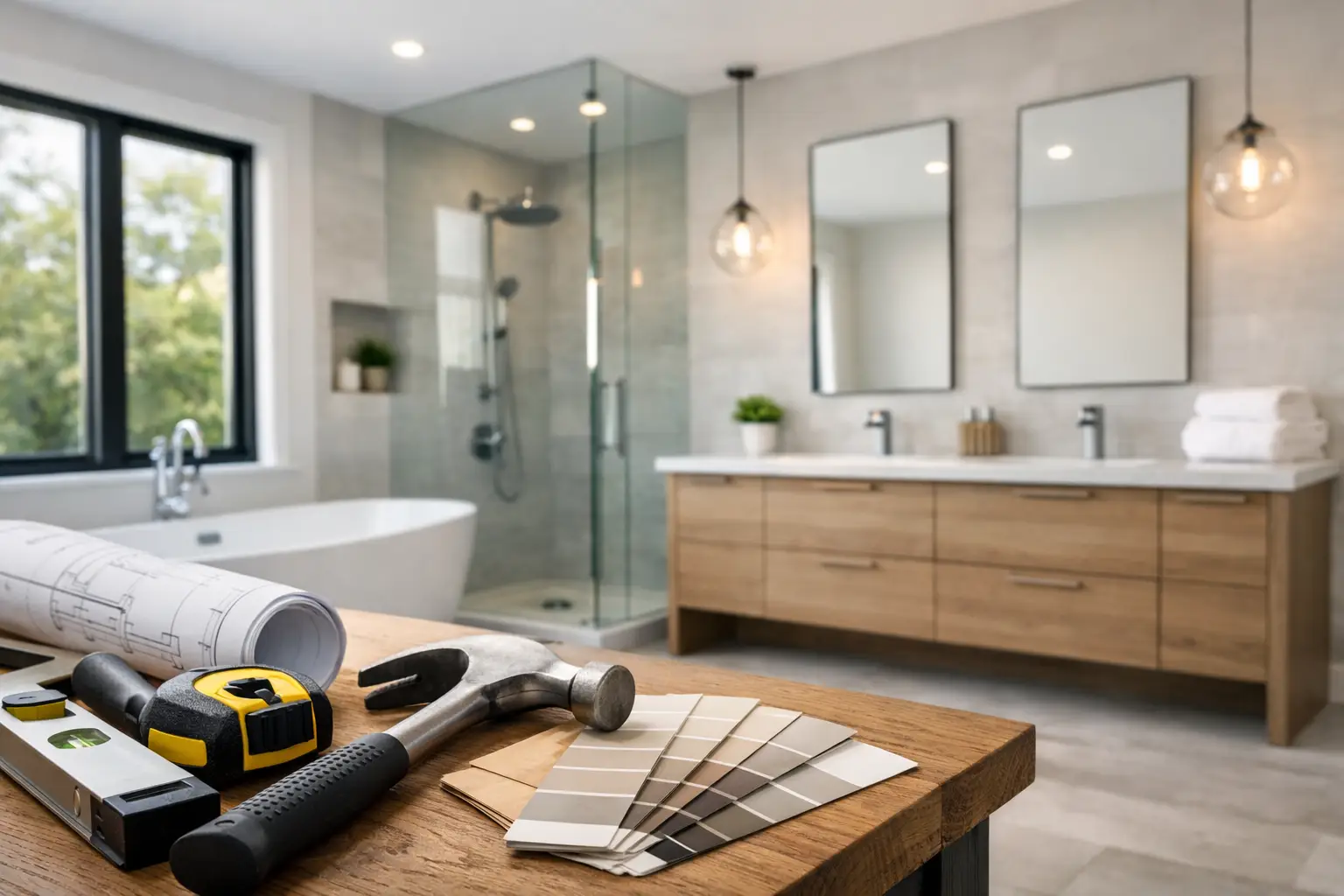
A bathroom can look fine in photos and still frustrate you every morning. The vanity has no storage, the shower leaks at the edges, the lighting is harsh, and the layout wastes space you use every day. That is usually the moment bathroom renovations stop feeling like a cosmetic upgrade and start feeling like a practical investment.
For homeowners, a well-planned bathroom renovation does more than update finishes. It improves how the room works, how easy it is to clean, and how comfortably it supports daily life. If you are renovating a family bathroom, an ensuite, or a compact guest bath, the best results come from getting the basics right before choosing tiles and tapware.
Why bathroom renovations matter
Bathrooms are some of the hardest-working rooms in any home. They deal with moisture, heat, regular wear, and constant use. When a bathroom is outdated or poorly laid out, the problems tend to show up quickly. Storage becomes clutter, ventilation struggles, grout stains, and small design mistakes become daily annoyances.
A thoughtful renovation solves those issues at the source. Better waterproofing protects the structure. Smarter layouts improve movement and usability. Quality materials hold up better over time. Good lighting and storage make the room more functional from the first day.
There is also the value piece. Buyers pay attention to kitchens and bathrooms because those rooms often signal how well a home has been maintained. That does not mean every renovation needs premium finishes across the board. It means the work should feel solid, clean, and considered.
Start with how the bathroom actually works
The most successful bathroom renovations begin with honest questions about what is not working now. Sometimes the problem is obvious, like cracked tiles or outdated fixtures. Often it is more practical than that. You might need more drawer space, easier access to the shower, better lighting at the mirror, or finishes that are easier to keep clean.
That is why layout matters so much. In a small bathroom, a wall-hung vanity can open up floor space and make the room feel less crowded. In a family bathroom, a separate shower and tub may be worth keeping if both get regular use. In an ensuite, a larger shower and streamlined vanity may offer more value than trying to fit in every possible feature.
It depends on the household. A young family usually needs durability and storage first. Empty nesters may prioritize comfort, accessibility, and a cleaner, more open layout. Property owners preparing for resale often benefit most from neutral finishes and practical upgrades rather than highly specific design choices.
Budgeting for bathroom renovations without surprises
Budget is where many renovations feel stressful, especially when homeowners are not sure what drives cost. In bathrooms, pricing is shaped by the scope of work more than any single finish. Keeping plumbing in the same place is often more cost-effective than moving it. Structural changes, custom joinery, and premium tile selections can all push the budget higher.
That does not mean you should avoid investing where it counts. Waterproofing, tiling, plumbing, electrical work, and ventilation are not the places to cut corners. Those are the components that affect performance and longevity. If savings are needed, they are usually better found in fixture selection, tile size, or custom features that may not be essential.
Transparent quoting matters here. A clear scope helps you understand what is included, where allowances apply, and whether demolition, disposal, waterproofing, fittings, and final detailing are covered. Homeowners are far more confident when pricing is explained properly from the start.
The materials you choose make a daily difference
A bathroom does not have to be extravagant to feel well finished. In most cases, durability and ease of maintenance matter more than trend-driven selections. Porcelain tiles remain a strong choice because they are hard-wearing and versatile. Matte finishes can soften the look of a room, but in some spaces they may show residue more easily than expected. Gloss surfaces reflect light well, though they can emphasize water spots.
Vanity materials should handle moisture and regular use without deteriorating at the edges. Stone or quality engineered tops can perform well, but the right option depends on budget and the level of maintenance you are comfortable with. Tapware, shower fittings, and hardware should also be selected with longevity in mind. A stylish finish can look great, but availability of replacement parts and overall reliability matter just as much.
There is always a balance between appearance and practicality. Large-format tiles reduce grout lines, which many homeowners appreciate for cleaning. However, smaller tiles may work better on shower floors where slip resistance and drainage are important. What looks best in a showroom does not always suit the way a bathroom is used at home.
Lighting, ventilation, and storage are often underrated
These three elements rarely get the attention they deserve, yet they can make or break the finished space.
Lighting should support both task and comfort. A single ceiling light is rarely enough. Mirror lighting or well-positioned wall lights help with shaving, makeup, and daily routines. Soft ambient light can make the room feel more comfortable early in the morning or late at night. Natural light is a bonus, but privacy needs to be handled carefully.
Ventilation is not optional in a high-moisture room. Without it, even a beautiful bathroom can develop mold issues, peeling paint, and stale air. A properly sized exhaust system helps protect the renovation and keeps the room healthier over time.
Storage is where many bathrooms fall short. Open shelves can look neat in styled photos, but closed drawers and cabinets are usually more practical for real households. If the bathroom is short on space, recessed niches, mirrored cabinets, and efficient vanity storage can all help without making the room feel crowded.
What to expect during the renovation process
Bathroom renovations involve several trades working in sequence, and timing matters. Demolition comes first, followed by any structural or framing work, plumbing and electrical rough-in, waterproofing, tiling, fit-off, painting, and final installation. Each stage depends on the one before it being completed properly.
For homeowners, the key difference between a stressful renovation and a manageable one is communication. You should know the timeline, understand the order of works, and have clarity on selections before the job is too far along. Delays can happen, especially when products are out of stock or hidden issues are uncovered behind walls, but surprises are easier to manage when the process is organized and expectations are realistic.
This is one reason many homeowners prefer working with a full-service renovation team rather than coordinating separate trades themselves. It simplifies scheduling, accountability, and quality control. For households already juggling work, school runs, and daily life, that kind of structure can take a lot of pressure off.
Bathroom renovations that age well
Trends come and go faster than most homeowners expect. A bathroom should still feel current in five or ten years, not just on handover day. That is why it makes sense to build around timeless decisions first. Clean lines, balanced lighting, neutral tile choices, and well-planned storage tend to age better than highly specific finishes that can quickly feel dated.
That does not mean playing it safe with every detail. Texture, contrast, and warmer finishes can all add character. The goal is to make those choices in ways that still support long-term usability and broad appeal. If resale is part of the equation, that balance becomes even more important.
For homeowners who want a result that feels polished without being overdesigned, precision matters more than excess. Straight tile lines, neat silicone work, accurate installation, and a layout that makes sense will always outlast short-term design fads. That is where experienced workmanship shows.
Choosing the right team for bathroom renovations
A good renovation partner should make the process clearer, not more confusing. That means practical advice, realistic pricing, detailed planning, and a standard of work that holds up over time. It also means listening to how you use the room instead of pushing a one-size-fits-all solution.
Local experience helps. Teams that regularly complete bathroom renovations in established residential areas are more likely to understand common layout challenges, older home conditions, and the level of finish homeowners expect. At DY Construction Group, that focus on tailored planning, honest communication, and dependable delivery is what helps clients move forward with confidence.
A bathroom renovation is not just about replacing what is old. It is a chance to fix the problems you live with every day and create a room that feels easier to use, easier to maintain, and better suited to your home. When the planning is solid and the workmanship is right, the value shows up long after the tiles are in place.