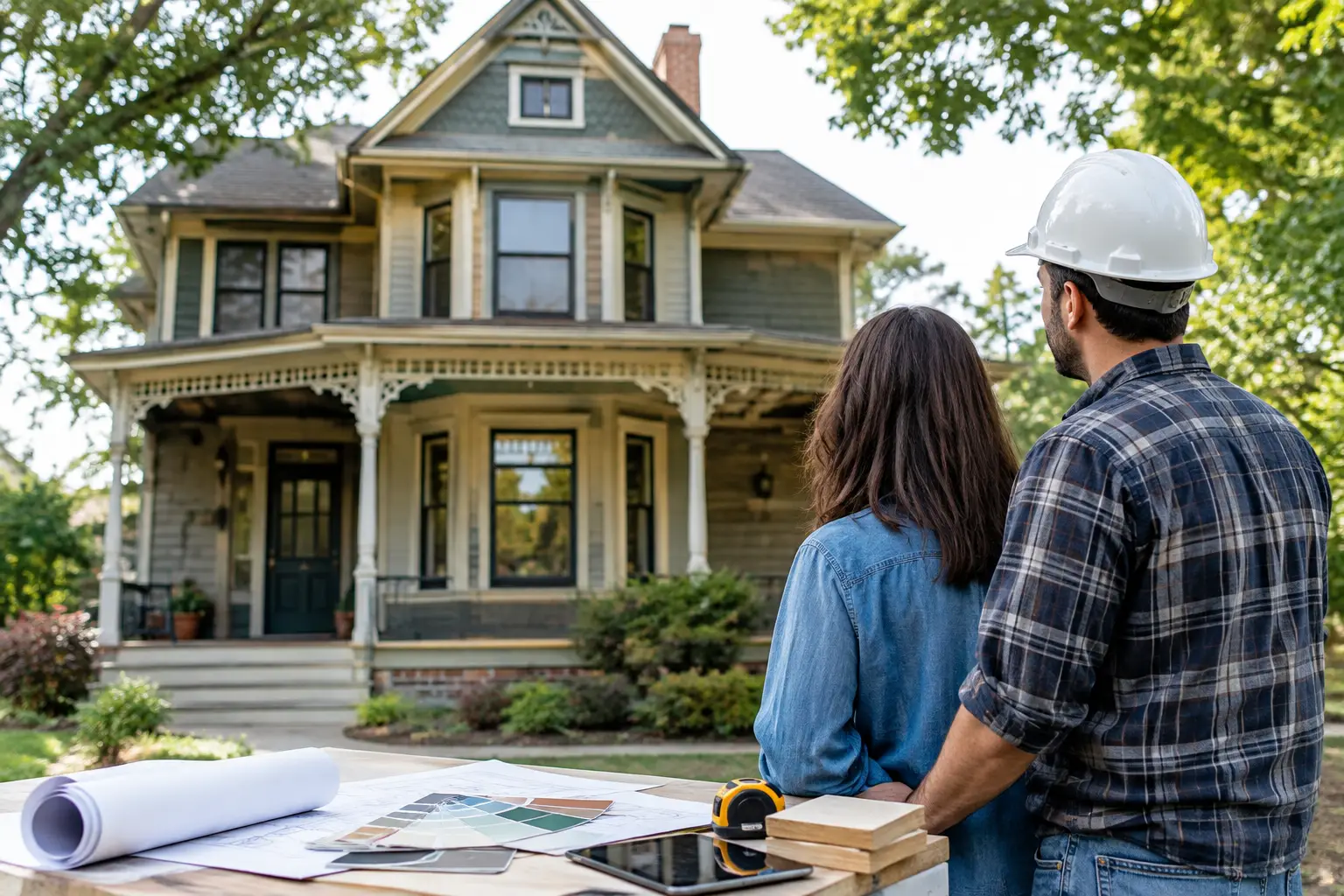
A heritage home can offer craftsmanship, character, and details that new construction rarely matches. It can also hide aging wiring, uneven floors, moisture damage, and decades of alterations behind a beautiful facade. This heritage home renovation guide will help you make smart decisions that preserve what makes the property special while improving how it works for daily life.
The best results come from treating a heritage renovation as more than a cosmetic update. Every choice, from a new kitchen layout to replacement windows, should balance the home’s original character with your family’s needs, budget, and long-term plans.
Start With the Home’s History and Condition
Before selecting finishes or approving demolition, take time to understand what you have. Look beyond the obvious features such as fireplaces, decorative trim, timber floors, plasterwork, stained glass, and original doors. Some elements may be worth restoring, while others may be beyond practical repair.
A thorough inspection is the right first investment. Older homes can have issues that are not visible during a walkthrough, including foundation movement, termite damage, roof leaks, outdated plumbing, insulation gaps, and electrical systems that no longer meet current safety expectations. Identifying these items early gives you a more realistic budget and prevents a renovation from stalling after work has begun.
If your property is formally protected or located in a historic district, check local requirements before finalizing plans. Restrictions may affect changes to the exterior, roofline, windows, additions, paint colors, or front fencing. Interior work is often more flexible, but the rules vary by location. A clear understanding of approvals helps avoid costly redesigns and delays.
Set Priorities Before You Set a Budget
Most homeowners want to retain the original charm of a heritage property while gaining a better kitchen, modern bathroom, more storage, and improved comfort. Those are all reasonable goals, but they may compete for the same budget.
Start by separating essential work from desirable upgrades. Structural repairs, water management, electrical safety, plumbing, and weatherproofing should come first. Once the home is safe, dry, and sound, you can focus on the changes that improve everyday living.
A realistic renovation budget should include a contingency for unknown conditions. In an older property, opening a wall can reveal damaged framing, old pipes, or noncompliant wiring that requires attention. The exact amount depends on the home’s condition and the scope of work, but leaving room for surprises is far better than cutting corners on essential repairs.
Be clear about what matters most to your household. For one family, it may be keeping an original staircase and upgrading the kitchen behind it. For another, it may be improving insulation and heating while restoring period windows. There is no single right answer. The best plan reflects how you live in the home now and how you expect to use it in the years ahead.
Preserve Character Where It Has the Most Impact
Not every original feature needs to remain untouched. A heritage renovation works best when it protects the details that define the home while allowing carefully planned updates where they add value and function.
High-impact features are often the ones people notice first: the front facade, entryway, original floorboards, ceilings, trim, doors, fireplaces, and staircase. Restoring these elements can give the entire project a sense of authenticity, even when the kitchen, bathrooms, and rear living spaces are more contemporary.
Where possible, repair rather than replace. Original timber doors, wood floors, and plaster moldings often have more character and durability than modern alternatives. Skilled repair may cost more upfront than a quick replacement, but it can protect the home’s appeal and avoid the generic look that sometimes follows a full remodel.
That said, preservation should not become impractical. If a window is severely damaged, a bathroom layout no longer works, or an old addition is poorly built, replacement may be the sensible choice. The goal is not to freeze the house in time. It is to make respectful changes that feel considered and appropriate.
Match New Materials With Care
When new materials sit beside original work, poor matching is easy to spot. Pay attention to proportions, profiles, texture, and finish, not just color. A new baseboard that is too small, a door with the wrong panel style, or a glossy modern tile beside handmade details can make a space feel disconnected.
This does not mean every new item must look old. In many heritage homes, a clean-lined kitchen or bathroom can work beautifully when the scale and materials respect the building. Natural stone, warm timber, brushed metal, simple cabinetry, and thoughtfully selected lighting often create a comfortable bridge between old and new.
Plan Modern Systems Early
A home can look beautifully restored and still be frustrating to live in if its systems are outdated. Electrical capacity, plumbing, heating and cooling, ventilation, insulation, and drainage should be part of the early planning process, not last-minute additions.
Kitchen and bathroom renovations are especially dependent on good planning. Moving plumbing, improving ventilation, adding circuits for appliances, and creating adequate task lighting may require work behind walls and under floors. Coordinating these details before construction begins protects the design and reduces expensive changes later.
Energy efficiency deserves the same practical approach. Heritage windows may be worth restoring, but you may also need weatherstripping, storm panels, attic insulation, underfloor insulation, or improved heating and cooling to make the home more comfortable. The right solution depends on the home’s construction and any preservation requirements. Avoid sealing a building so tightly that moisture becomes trapped inside walls or roof spaces.
Choose a Contractor Who Understands Older Homes
Heritage work requires careful project management, not just good design. Older properties rarely provide perfect walls, level floors, or straightforward access for trades. A contractor should be prepared to investigate conditions, communicate clearly when issues arise, and coordinate skilled trades without losing sight of the budget and schedule.
Ask how the team handles hidden conditions, change requests, permits, material lead times, and protection for original features. A detailed scope of work is essential. It should clearly explain what is being renovated, what materials are included, who is responsible for approvals, and how unforeseen work will be priced and approved.
Transparent communication matters throughout the project. You should know what work is happening, what decisions are needed from you, and whether a newly discovered issue affects cost or timing. A dependable renovation partner will not promise that an older home holds no surprises. They will provide a clear process for managing those surprises professionally.
Make the Kitchen and Bathroom Feel at Home
Kitchens and bathrooms are often the rooms that need the biggest functional upgrade, and they can be modern without feeling out of place. In a heritage kitchen, consider retaining a period feature such as a fireplace surround, ceiling detail, or timber flooring while introducing cabinetry designed around current storage and workflow needs.
Avoid forcing a historic look where it does not serve the space. A highly decorative cabinet style may compete with existing architectural details, while simple custom joinery can provide a calmer backdrop. Good storage, durable countertops, practical lighting, and sensible appliance placement usually matter more than copying every old-fashioned detail.
For bathrooms, prioritize ventilation, waterproofing, drainage, and easy maintenance. Period-inspired tile, a classic vanity profile, or traditional hardware can add character, but the room still needs to perform reliably every day. Quality installation behind the walls is just as important as the finishes you see.
Prepare for a Better Renovation Experience
Living through a heritage renovation takes planning. Pack and protect belongings, establish which areas of the home will remain usable, and discuss access, work hours, dust control, and site safety before construction starts. If the kitchen or only bathroom will be unavailable for an extended period, consider whether temporary arrangements or a short stay elsewhere will reduce stress.
Keep decisions moving once work begins. Delays often occur when key selections, such as tile, fixtures, hardware, or appliances, are not confirmed in time. Selecting major items early also helps the project team account for dimensions, installation requirements, and delivery schedules.
A well-renovated heritage home should not feel like a museum or a generic remodel. It should feel like the home has been cared for properly, with its best details protected and its everyday spaces made more comfortable. Start with a clear plan, choose craftsmanship over shortcuts, and give the original house a meaningful role in every decision you make.