
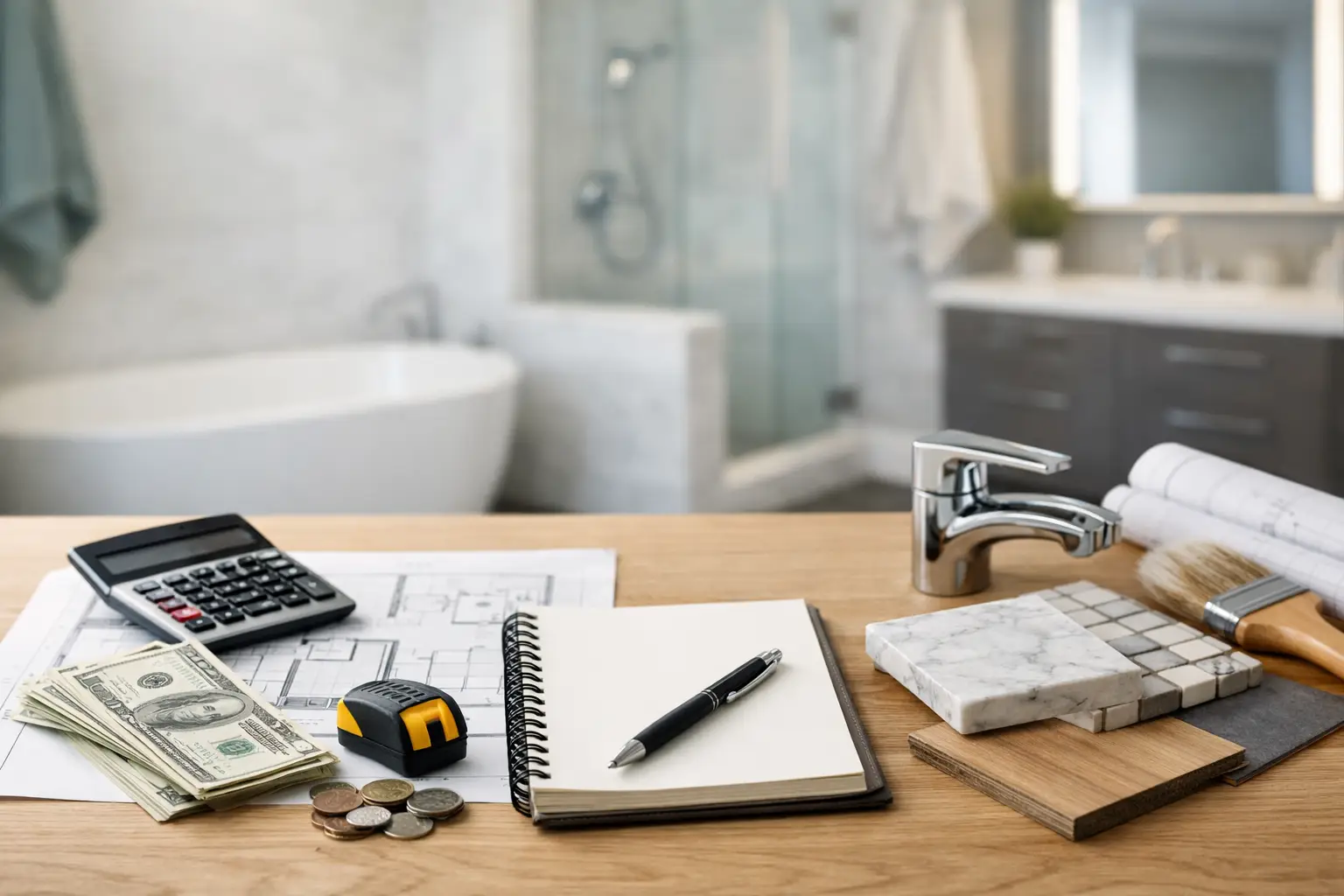
Sticker shock usually hits in the same place – right after you start picking tile, fixtures, and fittings you actually like. A bathroom can look simple on paper, but once demolition, waterproofing, plumbing, electrical, tile work, and finishes are all in the mix, the numbers move quickly. If you are wondering how to budget bathroom remodel costs without losing control of the project, the key is to build your budget around priorities, not guesswork.
A good bathroom budget is not just a total number. It is a plan that accounts for the room’s condition, the level of finish you want, and the things that can change once work begins. Homeowners who budget well tend to make better decisions faster, avoid expensive last-minute changes, and end up with a result that feels worth the investment.
How to budget bathroom remodel from the start
The first step is deciding what kind of remodel you are actually planning. A cosmetic update is very different from a full renovation. If you are keeping the existing layout and only replacing visible finishes like the vanity, toilet, mirror, tapware, and tiles, your budget will usually be more predictable. Once you start moving plumbing, changing the shower footprint, or correcting hidden water damage, the cost range becomes wider.
That is why the smartest place to start is with your goal for the room. Ask yourself whether this remodel is mainly about appearance, better function, long-term durability, or resale value. For most homeowners, it is a mix of all four, but one of those goals usually matters most. If function is the priority, spend where daily use improves. If long-term value matters most, invest in workmanship, waterproofing, and materials that age well.
It also helps to separate your budget into three buckets. The first is construction and labor. The second is fixtures and finishes. The third is contingency money for issues you cannot see yet. Treating these as separate parts of the budget gives you more control than working from one round number.
Know where bathroom remodel costs usually go
Many homeowners underestimate labor because the finished room looks compact. In reality, bathrooms are one of the most trade-heavy rooms in the house. Even a modest remodel can involve demolition, carpentry, plumbing, electrical, waterproofing, tiling, painting, glazing, and installation.
In most projects, labor and technical work take a large share of the budget because they are what make the room safe, functional, and compliant. That is especially true in wet areas, where shortcuts can create expensive problems later. Waterproofing and proper installation are not the glamorous part of a renovation, but they are the part that protects your home.
Fixtures and finishes are where the budget can swing the most. A toilet, vanity, tap set, shower screen, bathtub, tile selection, lighting, and mirror can range from basic and practical to premium and design-led. None of these choices are wrong on their own, but the combination matters. Overspending on every item at once is where budgets start to break.
A useful rule is to choose one or two features that deserve to stand out, then keep the rest consistent and sensible. That might mean spending more on a custom vanity and using simpler wall tile, or choosing a better shower system while keeping the toilet and accessories straightforward. A balanced bathroom usually feels more polished than one where every item is trying to be the hero.
Layout changes can reshape the budget
If you keep plumbing and drainage in the same locations, your budget has a better chance of staying tight. Moving a toilet, relocating a shower drain, or shifting a vanity wall can increase labor, materials, and coordination time. Sometimes the layout change is worth it because it fixes a badly planned room. Sometimes it is an expensive change with only a small practical gain.
This is where honest planning matters. If a new layout gives you better storage, better movement, and a more usable shower, the cost may be justified. If it only changes the room slightly for appearance, it may be better to invest that money elsewhere.
Set a realistic number before choosing finishes
One of the most common mistakes in bathroom renovations is selecting products before setting a budget ceiling. Once you have fallen in love with premium tile or a statement tub, it is hard to step back. It is far easier to make good decisions when you know your limit upfront.
Start with a total number you are comfortable investing, then work backward. From that amount, reserve a contingency fund before anything else. For a bathroom, that reserve is not optional. Hidden damage, outdated plumbing, framing issues, or subfloor repairs are common enough that every sensible budget should allow for them.
After contingency, think about how much of the remaining budget should go to essential work versus visual upgrades. Essentials include demolition, prep, waterproofing, plumbing, electrical, ventilation, and installation. Visual upgrades include tile choices, vanity style, hardware finishes, and decorative lighting. If the essential side of the project is underfunded, the bathroom may look good at handover but create issues later.
How to budget bathroom remodel choices without regret
A smart budget should reflect how you live, not just what looks good online. For a family bathroom, durability and easy maintenance often matter more than delicate finishes. For a primary bathroom, comfort and storage might deserve more investment. For a guest bathroom, you may be able to keep the design simple and still get a clean, updated result.
It also pays to think beyond the purchase price. Cheaper materials can cost more in the long run if they stain easily, wear quickly, or need replacement sooner. At the same time, expensive does not always mean better. Some mid-range products perform extremely well and give you a better return than designer options with a high markup.
The goal is not to buy the cheapest or the most expensive. It is to spend intentionally.
Build in room for the things people forget
Bathroom budgets often get squeezed by smaller items that were not fully counted at the start. These can include towel rails, niches, hooks, trim pieces, upgraded fan systems, underfloor heating, new doors, painting outside the bathroom, waste removal, and permit-related costs where applicable.
Another overlooked factor is timing. If materials are delayed or a custom item takes longer than expected, the schedule can stretch. That does not always mean a budget blowout, but it can affect labor coordination and decisions around temporary bathroom access. If your home only has one bathroom, the practical impact is even bigger.
This is why clear scope matters so much. When your quote, selections, and construction plan are aligned from the beginning, surprises are easier to manage. A professional contractor should help you understand what is included, what is excluded, and where costs may vary depending on site conditions or product selections.
Save money in the right places
There is a big difference between value engineering and cutting corners. Saving money the right way means reducing cost without reducing the quality of the finished room where it matters most.
Keeping the existing layout is often the biggest saver. Choosing standard-size fixtures instead of fully custom pieces can also help. Large-format tiles may reduce grout lines and speed up installation in some cases, though material pricing can vary. Prefabricated vanities, if well made, can offer strong value compared with custom joinery.
Where you should be careful is the work behind the walls and under the tile. Waterproofing, plumbing quality, ventilation, drainage, and installation accuracy are not good places to chase the lowest price. If those parts fail, repairs are disruptive and expensive.
For homeowners who want a polished finish without overspending, the best results usually come from mixing practical selections with a few higher-impact details. Good lighting, quality tapware, and a vanity with useful storage can elevate the whole room more than an oversized spend on every surface.
Get quotes that help you compare properly
If you are collecting estimates, make sure each one is based on the same scope. Otherwise, you are not comparing price – you are comparing assumptions. One quote may include demolition, disposal, waterproofing, and fixture installation, while another may leave some of those items out.
Ask for clarity around allowances, labor inclusions, and who is supplying fixtures and finishes. If an estimate looks much cheaper than the rest, there is usually a reason. Sometimes that reason is efficiency. Often, it is missing scope, lower-grade materials, or unrealistic allowances.
A detailed quote gives you more than a price. It gives you confidence in how the project will be managed. That matters just as much as the final number, especially in a room where many trades need to work in sequence.
At DY Construction Group, that kind of transparency is a big part of keeping renovations organized and less stressful for homeowners.
Budget for the bathroom you will still like in five years
The best bathroom budgets are realistic, not optimistic. They make room for quality where it counts, allow for a few unknowns, and stay tied to how the space will actually be used. That approach may not be the fastest way to choose finishes, but it is usually the reason a project feels controlled instead of chaotic.
If you are planning a remodel, give yourself enough time to define priorities, compare scope carefully, and ask direct questions before work starts. A bathroom does not need the most expensive products in the showroom to feel complete. It needs thoughtful planning, solid workmanship, and a budget built around the real cost of doing the job properly.