
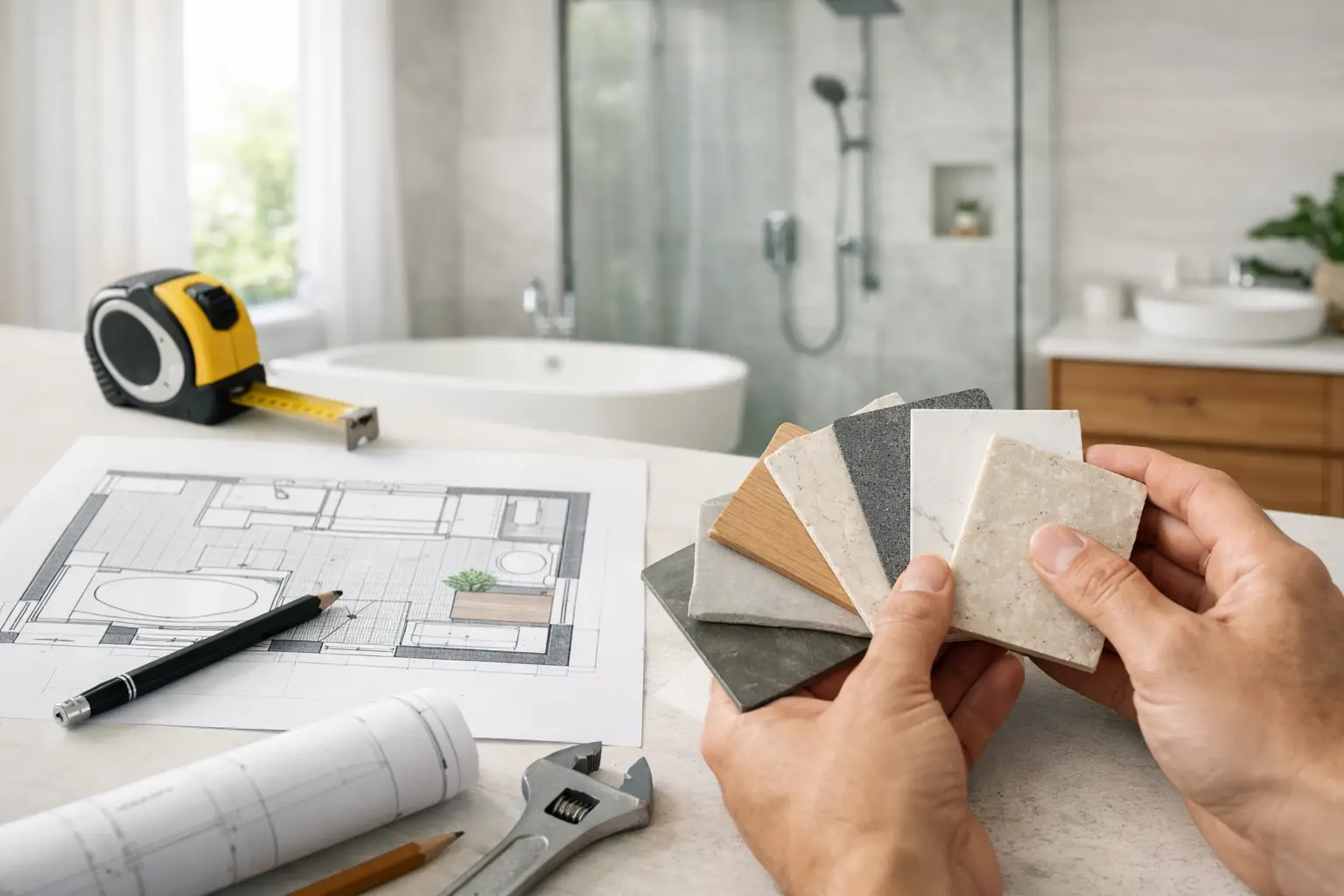
A bathroom remodel usually looks simple from the outside. Replace a vanity, update the tile, swap a shower, and move on. In reality, the projects that run smoothly usually start long before demolition. If you are figuring out how to plan a bathroom remodel, the best first step is not choosing tile. It is getting clear on what needs to change, what you want to spend, and what will make the space work better every day.
A good plan protects your budget, shortens delays, and helps you avoid decisions you may regret once the room is built. It also makes conversations with your contractor far more productive because you are not reacting to options on the spot. You are working from a clear brief.
How to plan a bathroom remodel from the start
Start with function before finishes. Homeowners often begin with inspiration photos, but a bathroom that looks great and works poorly will frustrate you every day. Think about how the room is used now and where it falls short.
Maybe the shower feels cramped, storage is always lacking, or the vanity is too small for a busy morning routine. Maybe the room simply feels dated and no longer fits the standard of the rest of the home. Write down the practical issues first, then add the visual goals. That order matters.
It also helps to separate must-haves from nice-to-haves. A walk-in shower may be essential. Heated flooring may be optional. When you make those distinctions early, it becomes much easier to adjust the scope without losing the core value of the remodel.
Set a budget that matches the room and the goals
Bathroom remodel costs can shift quickly because the room combines plumbing, waterproofing, tiling, electrical work, cabinetry, fixtures, and labor in a compact space. Even a small bathroom involves several trades, and that is why clear budget planning matters.
Set a working budget range rather than one fixed number. Include the build cost, design selections, and a contingency for issues hidden behind walls or under old flooring. In older homes, it is not unusual to uncover water damage, outdated plumbing, or framing repairs once demolition begins.
The smartest budget is not always the cheapest one. It is the one that puts money where it improves daily use and long-term durability. Quality waterproofing, solid installation, and reliable fixtures generally matter more than chasing the most expensive statement tile in the showroom.
If the budget feels tight, reduce complexity before reducing quality. Keeping plumbing in the same general location, choosing a standard-size vanity, or simplifying tile layouts can save money without making the finished room feel cheap.
Know when to keep the layout and when to change it
Layout decisions have one of the biggest impacts on cost and outcome. Many homeowners assume a better bathroom must involve moving everything around. Sometimes that is true. Often, it is not.
If your current layout already supports comfortable movement, decent storage, and a practical shower or tub setup, keeping the main plumbing points in place can make a lot of sense. You can still transform the room through better cabinetry, improved lighting, modern finishes, and more efficient use of space.
On the other hand, a poor layout should not be protected just because it seems easier. If the toilet blocks circulation, the vanity crowds the door swing, or the shower is too small to use comfortably, reworking the plan may be worth the added cost. This is where professional input becomes valuable. A contractor with renovation experience can often spot layout gains that are not obvious on paper.
Choose materials for real-life use
Bathrooms deal with moisture, temperature changes, regular cleaning, and heavy daily traffic. That means material selection should be based on performance as much as appearance.
Tile is a good example. Large-format tiles can create a cleaner, more modern look and reduce grout lines, but they may require more precise installation and may not suit every floor fall or shower detail. Natural stone can look beautiful, but it usually demands more maintenance than porcelain. Matte finishes can feel understated and current, but some show marks differently than polished surfaces.
The same practical thinking applies to vanities, countertops, mirrors, and fixtures. Ask how each selection will wear over time, how easy it is to clean, and whether replacement parts are easy to source if needed. Trend-driven choices are not automatically wrong, but they should still hold up to daily use.
A good remodel balances style with staying power. Most homeowners are happiest when the room feels current without being so specific that it dates quickly.
Plan lighting, ventilation, and storage early
These are the details that often get less attention than tile or fixtures, yet they shape how the bathroom feels every day.
Lighting should support both function and atmosphere. A single ceiling light is rarely enough. Vanity lighting matters for shaving, makeup, and general visibility. Shower lighting can improve comfort and safety. If there is natural light, think about how it interacts with privacy and mirror placement.
Ventilation is another area where cutting corners creates problems later. A bathroom needs effective moisture control to protect paint, cabinetry, grout, and air quality. If the room has poor ventilation now, the remodel is the right time to fix it properly.
Storage should be planned around actual habits. Think about where towels go, where daily toiletries are kept, and whether drawers would serve you better than open shelving. Recessed niches, mirrored cabinets, tall storage units, and smarter vanity design can make a modest bathroom feel far more usable without increasing its footprint.
Understand the timeline before work begins
One of the biggest stress points in any remodel is not knowing what happens when. A clear timeline helps you prepare for the disruption and keeps expectations realistic.
Bathroom remodels generally move through planning, design selections, quoting, demolition, rough-in work, waterproofing, installation, finishing, and final checks. Delays can happen if materials arrive late, unexpected site conditions appear, or decisions are still unresolved after work starts.
That is why product selections should be made as early as possible. If your contractor is ready to install a vanity, tile, or tapware and the item has not been ordered yet, the schedule can start to slip. The more decisions you lock in before construction, the smoother the project usually runs.
If this is the only bathroom in the home, the timeline matters even more. Make practical arrangements in advance and ask your contractor what periods of downtime to expect.
Work with one clear plan, not changing ideas
A bathroom remodel becomes more expensive and more frustrating when major decisions change mid-project. Swapping a finish is one thing. Moving a wall, changing fixture sizes, or redesigning the shower after work has started is another.
This is why a documented scope matters. You want clarity around what is being removed, what is staying, what is being installed, and who is responsible for each part of the work. It helps prevent misunderstandings and gives you a cleaner path from quote to completion.
For many homeowners, the best renovation experience comes from working with a contractor who can manage the project in a coordinated way rather than leaving you to juggle multiple trades yourself. That oversight reduces confusion and usually leads to a more polished result.
For homeowners who want the process to feel organized rather than overwhelming, a company like DY Construction Group brings that kind of structured, hands-on delivery to residential remodels.
Questions to ask before approving the remodel
Before work starts, make sure you can answer a few simple questions with confidence. Are you remodeling for better daily use, resale appeal, or both? What are your non-negotiables? Which finishes have already been selected? What is the realistic budget range? What conditions could increase cost once demolition begins?
You should also understand the communication process. Know who your point of contact is, how variations are handled, and what the payment schedule looks like. Transparency here is not a bonus. It is part of good project planning.
What homeowners often get wrong
The most common mistake is focusing too heavily on appearance and not enough on workflow. A bathroom should look good, but if it lacks storage, proper lighting, or enough clearance around fixtures, those daily frustrations remain.
Another mistake is underestimating lead times or trying to make material decisions too late. A third is setting a budget with no contingency at all. Even well-planned remodels can reveal surprises once the old room is opened up.
The better approach is steady and practical. Plan the room around how you live, invest in workmanship where it counts, and make decisions early enough that the build can stay on track.
A well-planned bathroom remodel is not about making hundreds of choices. It is about making the right ones in the right order, so the finished space feels better to use long after the dust is gone.