
A kitchen can look impressive in photos and still frustrate you every morning. That is why smart kitchen renovations start with how the space needs to work, not just how it should look. For most homeowners, the real goal is simple: better flow, better storage, better durability, and a result that feels worth the investment years from now.
The kitchens that age well are usually not the flashiest ones. They are the ones planned around daily routines, family habits, and realistic budgets. If you are thinking about renovating, the best decisions often happen before demolition begins.
What kitchen renovations should fix first
A renovation is a chance to solve problems that have been bothering you for years. That might be a cramped layout, poor lighting, not enough prep space, worn cabinets, or storage that never quite works. These issues matter more than trend-driven upgrades because they affect how the kitchen performs every day.
In many homes, the biggest improvement comes from rethinking the layout. If the refrigerator door blocks movement, the sink is too far from the cooktop, or there is nowhere to set down groceries, the kitchen is working against you. A new finish will not fix that. Good planning will.
Storage is another area where kitchen renovations make an immediate difference. Deep drawers, full-height pantry cabinets, corner storage solutions, and better internal organization often do more for everyday convenience than decorative features. A kitchen should help reduce clutter, not just hide it.
Lighting also deserves more attention than it usually gets. One ceiling fixture in the middle of the room is rarely enough. A well-renovated kitchen layers task lighting, ambient lighting, and accent lighting so the room feels practical when you are cooking and comfortable when you are gathering.
Start with function, then choose style
One of the most common renovation mistakes is choosing finishes too early. Homeowners often fall in love with a cabinet color or countertop sample before the layout has been resolved. It is understandable, but it can lead to expensive compromises later.
The stronger approach is to begin with function. Think about how many people use the kitchen at once, where traffic builds up, how much storage you actually need, and whether the current footprint is helping or limiting you. Once the practical side is clear, the style decisions become easier and more consistent.
That does not mean appearance is secondary. It means style should support the way the kitchen is used. For example, a family kitchen may need durable surfaces, easy-clean finishes, and a layout that allows several people to move through it at once. A smaller kitchen in an older home may benefit from lighter tones, reflective materials, and cabinetry designed to make the room feel more open.
There is rarely one perfect formula. What works well in one home may not suit another, which is why tailored planning matters.
Budgeting for kitchen renovations without surprises
A realistic budget is not just about what you want to spend. It also needs to reflect the condition of the existing space and the complexity of the work. Some kitchens are straightforward cosmetic upgrades. Others involve plumbing changes, electrical work, structural adjustments, or custom joinery. The gap between those two project types can be significant.
This is where transparent quoting matters. Homeowners should know what is included, what is not, and where extra costs may appear if hidden issues are uncovered. Older homes, in particular, can present surprises once walls, flooring, or cabinets are removed.
It also helps to separate must-haves from nice-to-haves early in the planning stage. If your priority is a better layout and long-lasting cabinetry, those items should come before upgrades that are mostly decorative. That does not mean cutting back on quality. It means spending where the renovation will have the greatest long-term impact.
The cheapest quote is not always the best value. When pricing is unclear or key items are missing, the final cost can shift quickly. A well-scoped project may not be the lowest upfront number, but it is often the one that gives homeowners more confidence and fewer setbacks.
The design choices that usually hold up best
Trends come and go, but a kitchen should still feel right years after installation. That is why balanced design tends to outperform bold choices made for short-term impact.
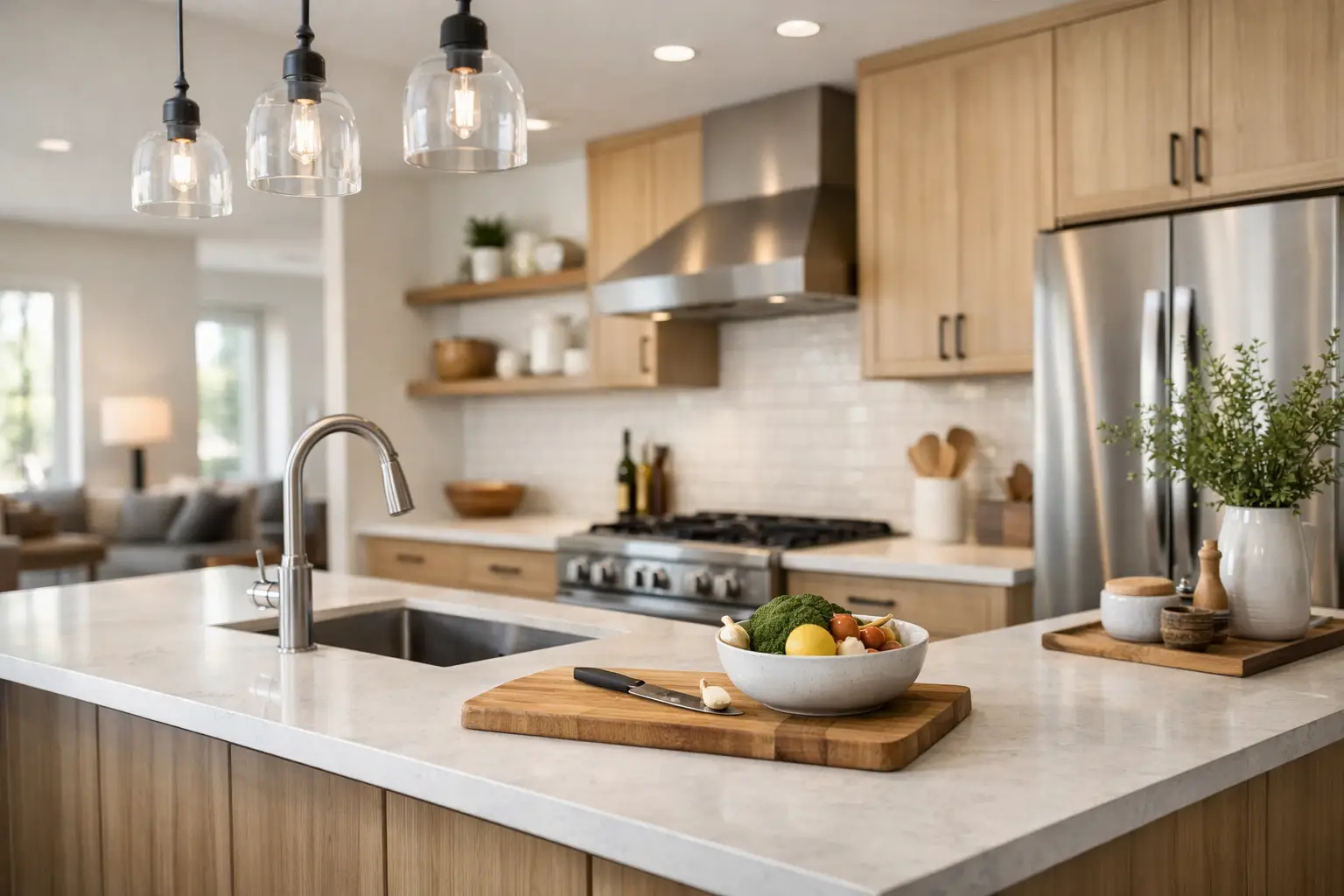
Neutral cabinetry, warm timber accents, durable stone-look surfaces, and simple hardware remain popular because they are flexible and easy to live with. That does not mean every kitchen needs to look the same. It means the core materials should have staying power, especially in a room that gets heavy daily use.
If you want to bring in personality, there are practical ways to do it. Lighting, splashback materials, open shelving, feature pendants, and paint can all add character without locking the entire kitchen into a style that may date quickly. This is often a better balance for homeowners who want a fresh look but also care about resale appeal.
Appliance selection is another area where restraint often pays off. Bigger or more expensive is not always better. The right appliances are the ones that suit the way you cook, fit the layout properly, and integrate with the rest of the design. Oversized appliances can create layout problems in kitchens that need every inch to work hard.
Why project management matters as much as workmanship
Good craftsmanship is essential, but kitchen renovations also depend on coordination. There are usually multiple moving parts involved, including design decisions, demolition, cabinetry, plumbing, electrical, tiling, painting, and installation. If those steps are not managed well, delays and confusion can affect the entire experience.
For homeowners, this is often the most stressful part of renovating. They are not just paying for materials and labor. They are also relying on a team to keep the process organized, communicate clearly, and make sure the finished result matches the plan.
That is why a well-managed renovation feels different from one that is patched together. Timelines are clearer. Questions get answered. Site issues are dealt with directly. Homeowners know what is happening and what comes next.
A company like DY Construction Group understands that the process matters almost as much as the finished kitchen. For many clients, peace of mind comes from knowing the work is being handled properly from first consultation to final handover.
Kitchen renovations and long-term home value
Many homeowners ask whether renovating the kitchen will increase property value. In most cases, the answer is yes, but not always in a simple dollar-for-dollar way. A better kitchen can improve buyer appeal, support the overall standard of the home, and make the property feel more current and better maintained.
Still, value is not only about resale. If you plan to stay in the home for years, the daily return matters too. A kitchen that functions well, feels comfortable, and reduces frustration can improve how you use your home every day. That is a real benefit, even if you are not planning to sell soon.
The strongest value usually comes from renovations that match the home rather than overpower it. An expensive kitchen in a modest property may not deliver the same return as a well-executed, appropriate upgrade. The goal is to lift the quality, usability, and presentation of the space in a way that fits the house as a whole.
When it is time to renovate
Some kitchens make the decision obvious. Cabinets are failing, surfaces are damaged, appliances no longer fit, or the room simply cannot support the way the household lives. In other cases, the signs are less dramatic. The kitchen still functions, but not well. Storage is inadequate, the layout feels dated, and the room drags down the rest of the home.
If that sounds familiar, it may be time to stop working around the problem and start planning a proper solution. The best kitchen renovations are not rushed, but they also do not begin with endless second-guessing. They begin with an honest look at what is not working and what would genuinely improve daily life.
A good kitchen should make your home feel easier to live in. If your current one falls short, that is not just a design issue. It is an opportunity to build something more functional, more durable, and more rewarding every time you use it.