A cabinet door that will not stay closed is more than a daily annoyance. So is a drawer that sticks, a shelf that sags under everyday dishes, or a layout that leaves two people competing for the same narrow prep space. Knowing when to replace kitchen cabinets helps you invest at the right time – before minor frustrations become expensive water damage, unsafe storage, or a renovation that only solves half the problem.
Cabinets are a major part of a kitchen’s appearance, but their real job is function. They hold substantial weight, support countertops, conceal plumbing, and shape how easily your household can cook, clean, and stay organized. A fresh coat of paint can make sense in the right kitchen. In others, it simply masks a cabinet system that has reached the end of its useful life.
1. The Cabinet Boxes Have Water Damage
Water is one of the clearest reasons to replace cabinets. Look inside the cabinet below the sink, around the dishwasher, and near the refrigerator water line. Swollen particleboard, bubbling laminate, soft side panels, dark stains, or a musty smell can all point to an ongoing or previous leak.
A damaged door or drawer front can sometimes be repaired. Water-damaged cabinet boxes are different. Once the structure has swollen or broken down, screws may no longer hold properly and shelves can lose their strength. Replacing only visible panels will not correct the underlying problem.
Before new cabinetry is installed, the source of moisture must be found and fixed. This may involve plumbing repairs, improved sealing, or addressing an appliance leak. Starting with a dry, sound area protects the life of your new kitchen.
2. Doors, Drawers, and Shelves Keep Failing
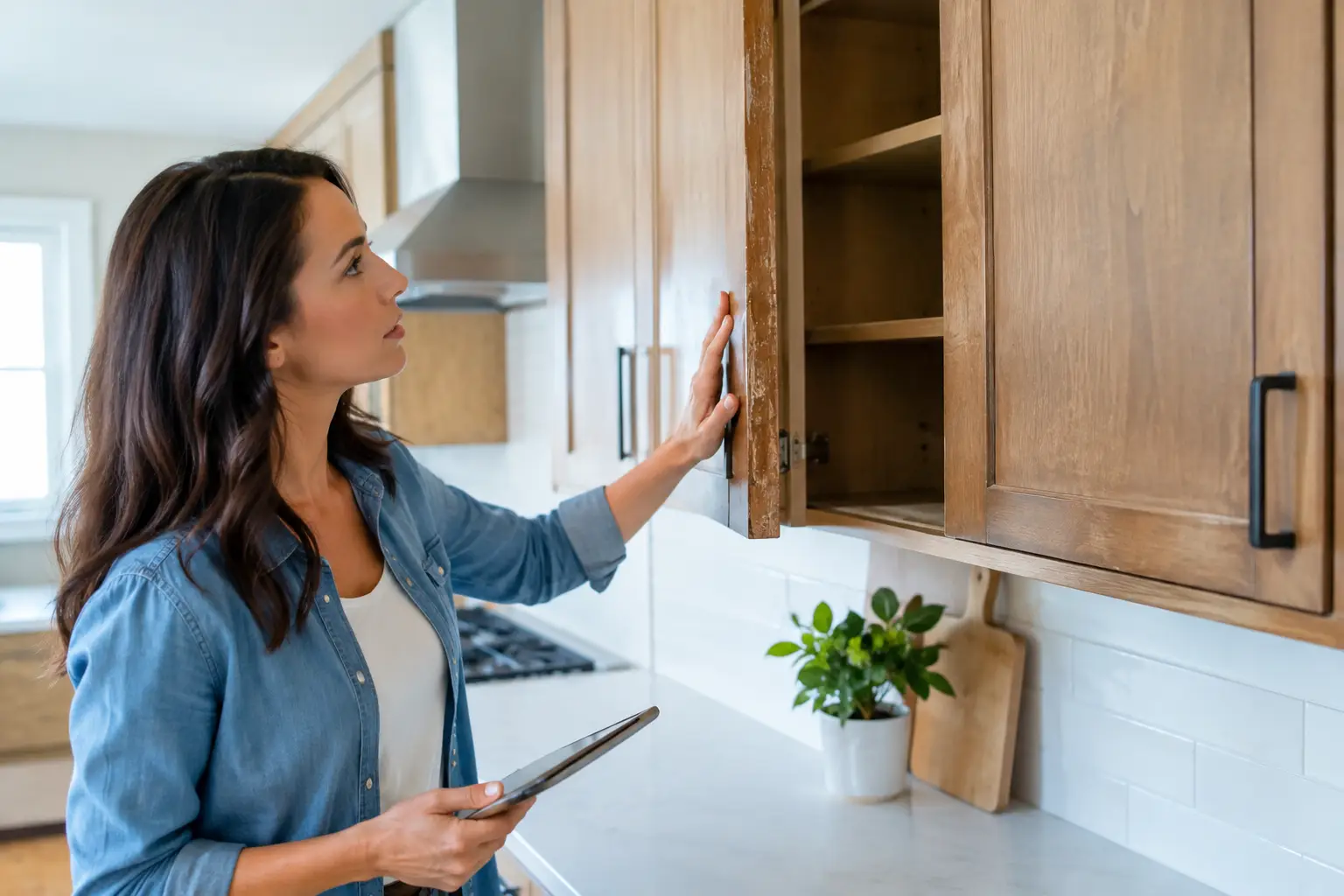
One loose hinge is usually a straightforward repair. But repeated failures across several cabinets often signal worn hardware, deteriorating material, or cabinets that were not built for the demands of a busy home.
Pay attention if doors no longer align after adjustment, drawer boxes pull apart at the corners, shelves bow under normal loads, or hinges tear out of the cabinet sides. These issues affect more than appearance. A heavy door that drops unexpectedly or a shelf that gives way can create a real safety concern.
Quality repairs are worthwhile when the cabinet boxes are solid and the problems are isolated. When failures are widespread, replacement usually delivers better value than continuing to spend on short-term fixes.
3. The Layout Makes Everyday Cooking Harder
A kitchen can have cabinets in decent cosmetic condition and still be a strong candidate for replacement. This is especially true in older homes where the layout was designed around different appliances, smaller households, and less emphasis on practical storage.
Common layout concerns include too little counter space, no room for a dishwasher, difficult access to corner cabinets, limited pantry storage, and appliances that interrupt the main work area. If you regularly carry hot pans across the kitchen, open several doors to find one item, or lack a clear place for groceries, the cabinetry may no longer suit the way you live.
Replacing cabinets as part of a planned kitchen renovation allows the whole room to work better together. You can improve drawer storage, add a pantry, create a more useful island, and make room for modern appliances. This is where a tailored design can make a noticeable difference every day.
4. You Are Planning New Countertops or Appliances
Countertops and cabinets need to work as one system. If cabinets are uneven, unstable, or poorly positioned, installing new stone, quartz, or solid-surface countertops over them can be risky. Premium countertops need a level, well-supported base. Trying to save worn cabinets beneath a new surface may lead to avoidable problems later.
The same applies to appliance upgrades. A new range, wall oven, refrigerator, or dishwasher may not fit existing openings without awkward filler pieces or extensive alterations. In some cases, modifications are sensible. In others, they reveal that the cabinet plan is no longer practical.
If you are investing in major finishes or appliances, assess the cabinets first. Coordinating the work in one renovation is often more efficient and gives you a cleaner, more cohesive result.
5. The Cabinets Cannot Meet Your Storage Needs
Lack of storage is not always about having too few cabinets. It can come from poor cabinet design. Deep, dark base cabinets make it easy for items to disappear at the back. Narrow drawers waste usable space. Upper cabinets that stop well below the ceiling can leave valuable storage unused.
Modern cabinet solutions can make a compact kitchen feel far more organized without increasing the room’s footprint. Deep drawers for pots and pans, pull-out pantry storage, integrated waste bins, corner solutions, and custom dividers can reduce clutter and make daily tasks easier.
Consider replacement when your current storage forces you to keep cookware elsewhere, pile items on countertops, or repeatedly buy organizers that do not solve the problem. The right cabinetry should support your routine rather than create extra work.
When to Replace Kitchen Cabinets Instead of Refacing Them
Refacing can be a sensible option when cabinet boxes are structurally sound, the layout already works, and you want a cosmetic update. It generally involves replacing doors and drawer fronts while applying new material to visible cabinet surfaces.
Replacement is usually the better choice when there is water damage, structural deterioration, major layout limitations, or a need to move plumbing and appliances. It is also worth considering when you want significantly different storage features or a completely new kitchen style that refacing cannot achieve convincingly.
The trade-off is budget and scope. Refacing can cost less and involve less disruption, while full replacement gives you more freedom to improve function, storage, durability, and appearance. An honest assessment of the existing cabinet boxes is essential. A well-built older cabinet may deserve an update; a damaged one should not be asked to carry a new kitchen for another decade.
6. The Style Dates the Entire Room
Style alone is not always a reason to replace cabinets, but it can matter when you are improving your home for long-term enjoyment or future appeal. Dark, heavily detailed doors, worn thermofoil finishes, mismatched additions, and dated hardware can make an otherwise well-kept kitchen feel tired.
The key question is whether the issue is surface-level or structural. If you like the layout and the cabinet construction is sound, new hardware, paint, or refacing may refresh the room. If the dated appearance comes with inefficient storage, damaged finishes, and awkward proportions, a full replacement is likely the more satisfying solution.
A timeless cabinet design does not have to be plain. Clean lines, practical proportions, durable finishes, and colors that work with the rest of the home tend to age better than short-lived trends.
7. You See Signs of Poor Installation or Low-Quality Materials
Cabinets should sit level, align cleanly, and operate smoothly. Gaps that have widened, uneven doors, loose toe kicks, peeling edges, thin backing panels, and poorly supported countertops can all suggest that the original installation or materials were not up to standard.
Some installation issues can be corrected, particularly when caught early. However, if multiple cabinets are out of level or poorly secured, repairs may become complicated and temporary. Replacing the cabinets gives you the opportunity to rebuild the kitchen on a sound foundation, with precise measurements and careful finishing.
This matters most around sinks, heavy countertops, and tall pantry units, where poor support can affect both performance and safety.
8. Repairs Are Becoming a Regular Expense
A useful rule is to look at the pattern, not one repair bill. Replacing a hinge, fixing a drawer runner, or repairing a small chip is normal maintenance. Paying repeatedly for water-damaged panels, sagging shelves, broken drawers, and failing doors is a sign that the cabinets are no longer a dependable part of the home.
Keep the larger renovation picture in mind. If you expect to replace flooring, update lighting, repaint, or improve appliances within the next few years, it may be more cost-effective to plan the cabinetry now. Coordinated work helps avoid redoing finishes and reduces the inconvenience of repeated projects.
Plan the Replacement Around How You Live
The best time to replace cabinets is not based on a fixed age. Well-made cabinets can last for decades, while poorly made or water-damaged units may need attention much sooner. The right decision comes down to structure, function, budget, and how much the current kitchen limits your household.
Before committing, make a note of what frustrates you most during a normal week. It may be the lack of pantry space, a crowded cleanup zone, hard-to-reach corners, or cabinet damage you have been working around for years. Those details turn a cabinet replacement from a simple style update into a practical improvement that makes your home easier to enjoy.
For homeowners planning a carefully managed kitchen renovation, DY Construction Group can help assess the existing space, clarify the best options, and deliver cabinetry work with clear communication and attention to detail.