A floor can look perfect in a showroom and still be the wrong choice for a busy family home. In this engineered timber flooring review, we look beyond the surface to assess how this popular material performs with daily foot traffic, changing temperatures, spills, pets, and the demands of a renovation.
Engineered timber flooring gives homeowners the warmth and character of real wood with greater stability than many solid timber boards. That makes it a strong option for living areas, hallways, bedrooms, and open-plan renovations. Still, board quality, installation method, finish, and room conditions all affect whether it will deliver the result you expect.
What Is Engineered Timber Flooring?
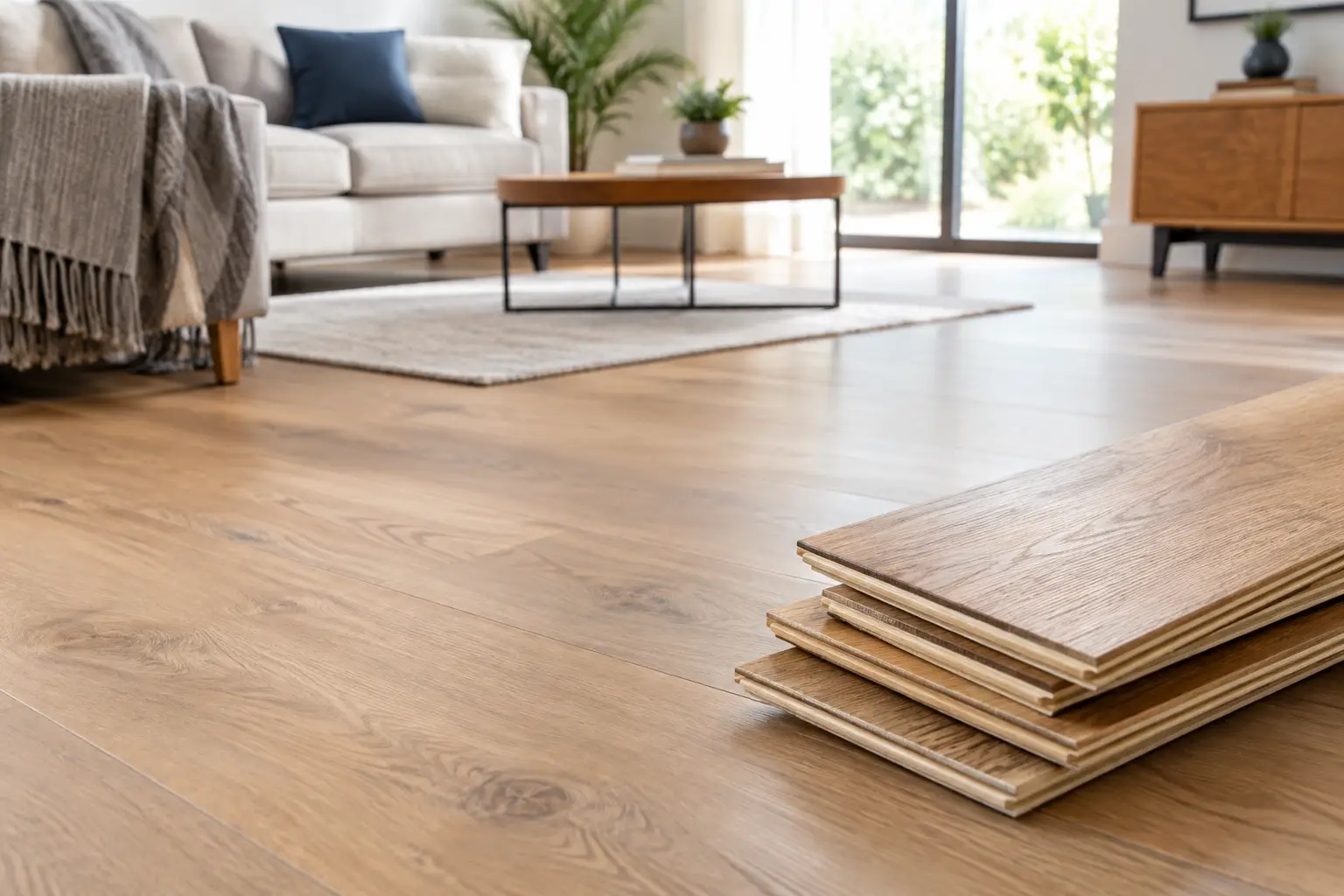
Engineered timber flooring is made from layers. The top layer is real hardwood, often called the wear layer or veneer. Underneath sits a core made from multiple layers of plywood or other timber-based material, built in alternating directions for added strength and stability.
Unlike laminate or vinyl plank flooring, engineered timber has genuine timber on its visible surface. Its grain, natural variation, knots, and color differences are real. The layered construction is designed to reduce the movement that solid wood can experience as moisture and temperature levels change.
For homeowners planning an interior renovation, this construction can be particularly useful. It allows the appearance of wide timber planks without some of the limitations associated with traditional solid hardwood flooring.
Engineered Timber Flooring Review: The Main Benefits
The biggest advantage is its balance of appearance and practicality. A quality engineered board has the depth and feel of real timber underfoot. It can make a renovated kitchen, family room, or hallway feel more connected and considered than a synthetic alternative.
Stability is another major benefit. Solid wood expands and contracts naturally, which can lead to gaps, cupping, or movement when conditions fluctuate. Engineered boards are not immune to these issues, but their layered construction generally handles environmental changes more reliably when properly installed.
This can be helpful in homes with heating and cooling systems, large windows, or rooms that receive strong afternoon sun. It is also a practical choice where flooring needs to run continuously through several connected living spaces, creating a clean, cohesive finish.
Engineered timber can also provide flexibility during installation. Depending on the product and subfloor, boards may be glued down, floated over an acoustic underlay, or installed using a tongue-and-groove system. The right approach depends on the condition of the existing floor, the room’s purpose, the height of adjacent surfaces, and the manufacturer’s requirements.
A well-chosen board can add long-term value, too. Buyers often respond positively to authentic timber flooring because it feels durable, timeless, and easier to live with than a trend-driven finish.
Where Engineered Flooring Has Limits
No flooring material is maintenance-free, and engineered timber should not be treated as waterproof. A dropped glass of water is usually manageable if it is wiped up promptly. Repeated moisture, leaks, wet shoes, or standing water can damage the timber surface or work its way into joints and edges.
For this reason, it is usually better suited to dry interior spaces than bathrooms, laundry rooms, or areas with a high risk of frequent water exposure. Some products are marketed for kitchens, and they can work well there with sensible care, but homeowners should understand that a dishwasher leak or overflowing sink can still cause costly damage.
The thickness of the top timber layer also matters. A thicker wear layer generally offers a better chance of sanding and refinishing the floor in the future. Thin-veneer products may look attractive initially but may have limited repair options once they are deeply scratched or worn.
Sunlight is another consideration. Natural timber can gradually change color over time, especially in bright rooms. Rugs and furniture may leave lighter areas beneath them, while darker species can develop a richer tone across exposed areas. This is part of real wood’s character, but it is worth understanding before selecting a color.
Cost: What Are You Really Paying For?
Engineered timber flooring spans a wide price range. Entry-level products may offer a thinner veneer, a less stable core, shorter board lengths, or a factory finish that is less resistant to scratches. Premium options typically use a thicker hardwood layer, better core construction, longer and wider planks, and more durable coatings.
The board price is only one part of the budget. A complete flooring quote should also account for site preparation, removal of existing flooring, subfloor leveling, moisture barriers or underlay, installation, trims, transitions, stair details, and moving or reinstalling skirting boards where required.
This is where transparent planning matters. A floor may appear affordable until hidden preparation work is discovered. Uneven concrete, damaged plywood, old adhesives, or moisture in the subfloor can all affect the finished result. Addressing those issues before boards go down is not an optional extra. It is what protects the investment.
Choosing the Right Board for Your Home
Start with how the space is used, not just the sample color. A pale oak floor can brighten a compact room and work beautifully with modern joinery, while a darker timber can create a more formal look but may show dust, pet hair, and scratches more easily.
Finish makes a noticeable difference. Matte and low-sheen finishes tend to hide minor marks better than high-gloss surfaces. Brushed or textured boards can also be forgiving in active households because natural grain variation helps disguise everyday wear.
Board width should suit the room and the overall design. Wide planks can make open-plan areas feel calm and expansive, but they require careful subfloor preparation and professional installation. Narrower planks can be a smart choice in smaller rooms or homes with more traditional proportions.
Ask about the wear layer, core material, warranty, recommended cleaning products, and whether the chosen floor can be refinished. Also ask how the boards should acclimate before installation. A reliable installer should be comfortable explaining these details in plain language.
Installation Quality Determines the Final Result
Even the best flooring product can disappoint if the preparation is rushed. Before installation, the subfloor needs to be clean, dry, structurally sound, and level within the product manufacturer’s tolerances. Moisture testing is especially important over concrete slabs or in homes where moisture conditions may vary.
Expansion gaps around walls, cabinetry, and fixed elements are also essential. Timber needs room to move naturally. If boards are installed too tightly, the floor can lift, buckle, or develop pressure points over time.
For renovation projects, flooring should be coordinated with cabinetry, door clearances, baseboards, and adjoining surfaces early in the planning stage. Installing a new floor without considering finished heights can create awkward transitions or doors that need trimming afterward.
At DY Construction Group, this type of coordination is part of the value of working with a renovation team that sees the whole project, not just one trade. Flooring should support the layout, cabinetry, and daily use of the home rather than become a late-stage complication.
Care That Keeps Timber Looking Its Best
Regular care is straightforward. Sweep or vacuum with a hard-floor setting to remove grit, which is one of the main causes of surface scratching. Use a lightly damp mop and a cleaner approved for the floor’s finish, not excessive water or steam cleaning equipment.
Felt pads under furniture, mats at exterior doors, and prompt attention to spills will make a meaningful difference. In high-traffic areas, occasional rugs can reduce wear, but move them from time to time so the floor ages more evenly.
If scratches do occur, the repair approach depends on the finish and the depth of damage. Surface marks may be improved with a manufacturer-approved repair product, while deeper damage may require professional assessment. Avoid experimenting with harsh cleaners, waxes, or sanding methods that are not suitable for engineered boards.
Is Engineered Timber Flooring Worth It?
For many homeowners, yes. It is a worthwhile choice when you want the authentic look of timber, improved stability, and a floor that complements a quality renovation. It is especially effective in living spaces where comfort, visual warmth, and long-term appeal matter.
It may not be the best fit for every room or every budget. Homes with frequent wet-floor conditions, very heavy commercial-style traffic, or a need for fully waterproof flooring may be better served by another material. The right answer comes down to your household, the condition of the subfloor, and how you want the room to perform over the years.
Before making a final selection, view full-size samples in your home at different times of day and ask for a detailed installation scope. A floor chosen with care and installed with precision can make every other renovation decision around it look more intentional.